Шэньчжэнь Wesort Оптоэлектроника Co., Ltd.
Адрес: Здание 29, промышленная зона Лонгванмяо, улица Фуйонг, район Бао 'ан, Шэньчжэнь, провинция Гуандун, Китай.
Телефон: + 86 181 2370 6862

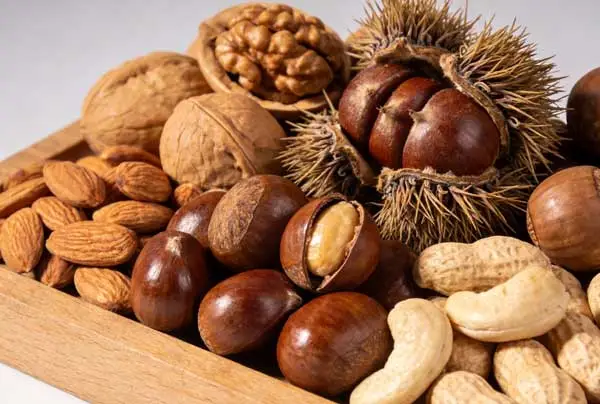
Мировая индустрия переработки орехов становится все более конкурентоспособной. Более высокие стандарты безопасности пищевых продуктов, более строгие экспортные требования и растущие затраты на рабочую силу подталкивают переработчиков к инвестициям в более умные и эффективные технологии сортировки. Будь то обработка миндаля, грецких орехов, фисташек, фундука, арахиса или кешью, постоянное качество продукции стало одним из наиболее важных факторов, влияющих на удовлетворенность клиентов и конкурентоспособность на рынке.
Традиционный ручной осмотр больше не может соответствовать современным производственным требованиям. Даже обычные оптические сортировщики цветов часто изо всех сил пытаются выявить тонкие дефекты, такие как повреждение насекомыми, небольшое обесцвечивание, поверхностные морщины, фрагменты скорлупы, масляные пятна или крошечные трещины. В результате сортировщики цветов орехов на искусственном интеллекте стали предпочтительным решением для процессоров, стремящихся к более высокой точности сортировки и более низким эксплуатационным расходам.
В этом руководстве мы сравниваем пять ведущих мировых производителей сортировщиков цветов орехов на основе технологических инноваций, возможностей искусственного интеллекта, точности сортировки, эффективности производства, гибкости применения, глобальной сервисной сети и общей ценности для коммерческих переработчиков орехов.
Производители, перечисленные ниже, представлены в произвольном порядке. Каждый из них предлагает уникальные преимущества в зависимости от масштаба производства, сортов орехов и требований к обработке.
Выбор правильного оборудования для сортировки орехов включает в себя гораздо больше, чем сравнение цен или производственных мощностей. Чтобы предоставить практическое руководство для переработчиков, мы оценили производителей, используя несколько ключевых критериев, которые напрямую влияют на долгосрочные производственные показатели.
1. Технология распознавания ИИ
Может ли машина точно идентифицировать тонкие дефекты, такие как отверстия от насекомых, плесень, морщины, фрагменты скорлупы, обесцвечивание, следы ожогов и сломанные ядра?
2. Сортировка точности
Поддерживает ли оборудование стабильную производительность сортировки при высоких производственных скоростях при минимизации ложных отбраковок?
3. Ассортимент продукции
Может ли одна машина обрабатывать несколько разновидностей орехов, включая миндаль, грецкие орехи, фисташки, кешью, фундук, арахис, орехи макадамия, орехи пекан и смешанные продукты?
4. Автоматизация и умное управление
Поддерживает ли система обучение ИИ, управление рецептами, удаленную работу, автоматическую калибровку и интеллектуальное управление производством?
5. Глобальная техническая поддержка
Могут ли клиенты получить быструю техническую помощь, запасные части, обновления программного обеспечения и удаленное устранение неполадок?
Основываясь на этих критериях, следующие производители представляют собой одних из самых конкурентоспособных поставщиков в мировой индустрии сортировки орехов на сегодняшний день.
Обзор компании
Основан в 2012 году. WESORT является профессиональным производителем, специализирующимся на оборудовании для сортировки изображений AI. Компания объединяет исследования и разработки, производство, продажи и глобальные технические услуги, ориентируясь исключительно на интеллектуальную технологию сортировки.
За более чем десятилетие непрерывных инноваций WESORT превратилась из обычных оптических сортировочных систем в одного из ведущих в отрасли разработчиков сортировочных решений на базе искусственного интеллекта. Сегодня его портфель продуктов включает в себя цветосортировщики с искусственным интеллектом, машины для выбора с искусственным интеллектом, инфракрасные сортировщики, системы рентгеновского контроля и индивидуальное промышленное сортировочное оборудование.
Технологии сортировки AI компании были успешно применены более чем 7,000 различных материалов, покрывая орехи, кофейные зерна, зерна, семена, лекарственные травы, морепродукты, обезвоженные продукты, переработанные пластмассы, минералы, драгоценные камни и многочисленные промышленные применения.
При поддержке команды R & D, возглавляемой докторантом, WESORT продолжает вкладывать значительные средства в искусственный интеллект, машинное зрение, алгоритмы глубокого обучения и технологии многоспектральной визуализации, чтобы помочь процессорам повысить качество продукции при одновременном снижении эксплуатационных расходов.
В отличие от обычных оптических сортеров, которые полагаются в основном на цветовые различия, WESORT QuadEye 360 ° AI Nut Color Сортировщик анализирует каждую гайку из нескольких измерений.
Его система распознавания ИИ оценивает:
Эта многомерная проверка позволяет процессорам достигать гораздо более высокой согласованности калибровки при одновременном снижении требований к ручной проверке.
Машина широко используется для:
Самая большая технологическая разница между WESORT и обычными сортировщики цветов орехов лежит в своей собственности QuadEye 360 ° AI система зрения.
Вместо проверки только одной или двух видимых поверхностей система использует четыре синхронизированные камеры высокой четкости для получения полных изображений каждой гайки под несколькими углами за один проход.
Этот панорамный осмотр значительно уменьшает слепые зоны и значительно улучшает обнаружение дефектов, скрытых по бокам или нижней стороне ядер.
Для премиальной обработки орехов эта технология обеспечивает основное преимущество при определении:
Поскольку стандарты качества продолжают расти во всем мире, полноугольный контроль становится все более ценным для экспортно-ориентированных переработчиков.
Интеллектуальная система QuadEye основана на запатентованной платформе глубокого обучения WESORT.
Вместо того, чтобы полагаться на фиксированные пороги цвета, ИИ постоянно анализирует сложные характеристики изображения, используя крупномасштабную нейронную сеть, обученную на миллионах образцов материала.
В настоящее время система поддерживает более 5000 моделей сортировки AI, что позволяет переработчикам быстро переключаться между различными сортами орехов и стандартами качества.
Будь то сортировка премиального экспортного миндаля или смешанных коммерческих кешью, операторы могут просто выбрать подходящий рецепт без обширных ручных корректировок.
Это значительно сокращает время настройки при сохранении неизменной точности калибровки.
Высокая точность сортировки ценна только в том случае, если скорость производства остается конкурентоспособной.
Чтобы удовлетворить требования промышленной обработки, WESORT интегрирует высокопроизводительные процессоры AI, доставляющие 16 × вычислительная мощность, что позволяет в режиме реального времени анализировать массивные данные изображений при сохранении стабильной производительности.
Интеллектуальная архитектура обработки синхронизирует получение изображений, анализ дефектов и контроль отказов в течение миллисекунд.
В результате процессоры могут поддерживать высокую производственную мощность без ущерба для точности сортировки.
Ореховые процессоры все чаще требуют оборудования, способного обнаруживать гораздо больше, чем простые цветовые различия.
Система QuadEye AI может точно определить:
Для переработчиков, поставляющих премиальные розничные бренды или на экспортные рынки, эта комплексная проверка помогает повысить согласованность продукта, одновременно уменьшая количество жалоб клиентов.

Инвестирование в сортировщик ореховых цветов связано не только с покупкой оборудования, но и с выбором долгосрочного технологического партнера. Надежная техническая поддержка, быстрое время отклика и постоянные обновления программного обеспечения необходимы для поддержания стабильного производства.
WESORT создала комплексную глобальную сервисную сеть для поддержки клиентов до, во время и после установки.
Сегодня компания управляет зарубежными филиалами и складами во Вьетнаме, Индонезии, Таиланде, Италии, Испании, Мексике, Перу, Грузии и других международных рынках, обслуживая клиентов в более чем 100 странах и регионах мира.
Чтобы улучшить качество обслуживания клиентов, WESORT разработал собственный Система дистанционного обслуживания PAD + WiFi. Инженеры могут удаленно диагностировать состояние машины, оптимизировать параметры сортировки, обновлять модели ИИ и оказывать техническую помощь через подключение к Интернету. Это значительно сокращает время простоя и минимизирует потребность в сервисных визитах на место.
Клиенты также получают многоязычную техническую поддержку, охватывающую английский, испанский, французский, вьетнамский, тайский, китайский и другие языки, обеспечивая эффективную связь независимо от местоположения.
Компании по переработке орехов сталкиваются с растущим давлением, чтобы обеспечить более высокое качество продукции при одновременном снижении затрат на рабочую силу и повышении эффективности производства.
WESORT QuadEye 360 ° AI Nut Color Sorter помогает процессорам достичь этих целей, сочетая интеллектуальное распознавание с промышленной автоматизацией.
По сравнению с обычными оптическими сортерами, система имеет ряд практических преимуществ:
1. Более точное обнаружение дефекта
Система ИИ-зрения выявляет сложные дефекты, которые трудно поддаются традиционным сортировщики цветов распознать, в том числе повреждение насекомыми, морщины, небольшое обесцвечивание, остатки скорлупы, разбитые ядра и поверхностное загрязнение.
2. Более высокая согласованность продукта
Каждая гайка оценивается с использованием одних и тех же стандартов распознавания ИИ, устраняя несоответствия, связанные с ручной проверкой, и обеспечивая единообразное качество продукции.
3. Сниженная трудовая зависимость
Автоматизированная сортировка значительно снижает потребность в ручной проверке качества, помогая процессорам решить проблему нехватки рабочей силы и снизить эксплуатационные расходы.
4. Гибкое производство
Несколько рецептов сортировки можно хранить и отзывать мгновенно, что позволяет переработчикам быстро переключаться между миндалем, грецкими орехами, фисташками, кешью, арахисом, фундуком и смешанными ореховыми продуктами.
5. Более низкая потеря продукта
Интеллектуальная транспортная структура предназначена для защиты хрупких ядер во время транспортировки, помогая минимизировать механические повреждения при сохранении высокой эффективности сортировки.
WESORT AI Nut Color Sorter широко используется во всей отрасли переработки орехов.
Типичные области применения:
Обработка миндаля
Обработка кешью
Сортировка ядра грецкого ореха
Сортировка фисташек
Переработка фундука
Сортировка арахиса
Сортировка орехов макадамия
Сортировка орехов пекан
Переработка кедровых орехов
Линии по производству смешанных орехов
Будь то обработка сырья или премиальная розничная продукция, система обеспечивает надежный контроль качества на протяжении всего производственного процесса.
Компания Bühler со штаб-квартирой в Швейцарии является одним из самых известных имен в технологии оптической сортировки. Его серия SORTEX широко используется в зерновой, кофейной, ореховой и пищевой промышленности на протяжении десятилетий.
Решения Bühler по сортировке орехов сочетают оптические камеры высокого разрешения с передовыми алгоритмами обработки изображений для выявления обесцвечивания, фрагментов скорлупы, посторонних материалов и поврежденных ядер. Модульная конструкция машины позволяет процессорам настраивать оборудование в зависимости от производственной мощности и типа продукта.
Компания особенно хорошо известна своим гигиеническим машиностроением, энергоэффективной работой и сильной репутацией на крупных предприятиях пищевой промышленности.
Сильные стороны
Давний глобальный бренд.
Надежное оптически сортируя представление.
Сильное присутствие на крупных промышленных перерабатывающих предприятиях.
Отличное инженерное качество.
Лучшее для
Крупные производители пищевых продуктов ищут проверенную технологию оптической сортировки с комплексной глобальной поддержкой.
Компания TOMRA Food со штаб-квартирой в Норвегии известна во всем мире благодаря сенсорным технологиям сортировки, используемым в пищевой промышленности.
Его системы сортировки орехов сочетают камеры видимого спектра с технологиями лазерной, инфракрасной и биометрической подписи для обнаружения дефектов, выходящих за рамки простых цветовых различий.
Одним из ключевых преимуществ TOMRA является ее облачная платформа управления производством, позволяющая процессорам удаленно отслеживать производительность машины, производственную статистику и требования к техническому обслуживанию.
Решения компании обычно встречаются на предприятиях пищевой промышленности премиум-класса, требующих подробной производственной аналитики и интеграции с цифровым заводом.
Сильные стороны
Передовая технология слияния датчиков.
Превосходное обнаружение инородных материалов.
Интеллектуальный облачный мониторинг.
Мощные возможности управления данными.
Лучшее для
Процессоры ища умный контроль продукции и предварительное цифровое управление качеством.
Компания Satake, основанная в Японии, имеет более чем столетний опыт работы в области оборудования для переработки зерна и успешно расширилась до оборудования для оптической сортировки сельскохозяйственной продукции и орехов.
Машины для сортировки орехов Satake ориентированы на стабильную производительность, бережное обращение с продуктом и долгосрочную надежность.
Оборудование особенно хорошо работает при сортировке деликатных продуктов, таких как ядра кешью и нарезанный миндаль, где критически важна минимизация поломки.
Satake также поддерживает обширную сеть обслуживания по всему Азиатско-Тихоокеанскому региону.
Сильные стороны
Бережное обращение с хрупкими продуктами.
Стабильная долгосрочная работа.
Доверенная японская инженерия.
Сильная региональная техническая поддержка.
Лучшее для
Процессоры, требующие надежной работы для деликатных ореховых продуктов.
Компания Key Technology, базирующаяся в США, специализируется на автоматизированном контрольно-сортировочном оборудовании для крупномасштабных операций по переработке пищевых продуктов.
Его оптические системы сортировки сочетают цветные камеры с датчиками ближнего инфракрасного излучения для выявления посторонних материалов, дефектов цвета и вариаций продукта на высоких производственных скоростях.
Оборудование Key Technology широко используется в промышленных условиях производства продуктов питания, где необходимы высокая производительность и непрерывное производство.
Сортировочные системы компании известны своей долговечной конструкцией и способностью работать в сложных производственных условиях.
Сильные стороны
Высокопроизводительное производство.
Прочный промышленный дизайн.
Отличная интеграция с автоматизированными производственными линиями.
Высокая производительность при непрерывной обработке.
Лучшее для
Крупные промышленные процессоры, требующие максимальной производительности и долговечности оборудования.
Выбор правильного сортировщика цветов орехов включает в себя больше, чем сравнение спецификаций. Возможности искусственного интеллекта, точность сортировки, гибкость производства и послепродажная поддержка играют важную роль в долгосрочной производительности. В приведенной ниже таблице показаны основные сильные стороны пяти производителей, представленных в этой статье.
| Производитель | Основная технология | Основные преимущества | Подходящие применения |
|---|---|---|---|
| WESORT | Глубокое обучение + QuadEye 360 ° Vision | 360 ° осмотр с четырьмя камерами, вычислительная мощность 16 × AI, модели 5000 + AI, поддерживает несколько разновидностей орехов | Миндаль, грецкие орехи, фисташки, кешью, арахис, фундук, орехи макадамия, смешанные орехи |
| Bühler SORTEX | Сортировка оптического цвета | Стабильное представление, гигиенический дизайн, сильная глобальная репутация | Крупные предприятия пищевой промышленности |
| ТОМРА Еда | Слияние датчиков + аналитика ИИ | Расширенные датчики, облачный мониторинг, обнаружение посторонних материалов | Производители продуктов питания премиум-класса |
| Сатаке | Технология оптического зрения | Бережное обращение с продуктом, стабильная работа | Хрупкие ядра и нарезанные орехи |
| Ключевые технологии | Оптический + Ближний инфракрасный | Высокая производственная мощность, промышленная автоматизация | Большие линии непрерывного производства |
Хотя каждый производитель предлагает надежные сортировочные решения, лучший выбор зависит от ваших производственных требований, целевого рынка, стандартов качества продукции и планов расширения в будущем.
Покупка сортировщика орехового цвета - это долгосрочная инвестиция. Вместо того, чтобы фокусироваться только на цене машины, процессоры должны оценить полное производственное решение.
Различные сорта орехов требуют разных стратегий сортировки.
Например:
Выбор оборудования, разработанного специально для вашей продукции, повысит как точность сортировки, так и производительность.
Современные сортировочные машины должны делать гораздо больше, чем различать цвета.
Профессиональный сортировщик цветов орехов AI должен распознавать:
Распознавание на основе ИИ обеспечивает гораздо лучшую согласованность, чем традиционная обработка изображений на основе правил.
Машина с отличной точностью, но недостаточной пропускной способностью может быстро стать узким местом производства.
Перед покупкой оцените:
Выбор соответствующей мощности сегодня может избежать ненужной модернизации оборудования позже.
Обработчики орехов часто переключаются между различными продуктами в течение года.
Машины, поддерживающие управление рецептами, позволяют операторам сохранять несколько программ сортировки для разных сортов орехов.
Вместо того, чтобы каждый раз вручную настраивать десятки параметров, пользователи просто выбирают соответствующий профиль продукта, сокращая время настройки и минимизируя ошибки оператора.
Надежная послепродажная поддержка так же важна, как и производительность машины.
Прежде чем принять решение о покупке, подумайте:
Сильная глобальная сеть поддержки помогает максимизировать время бесперебойной работы оборудования и защищает долгосрочные инвестиции.
1. Что такое сортировщик цвета ореха?
Сортировщик цвета гайки - это интеллектуальная оптическая сортировочная машина, которая автоматически отделяет дефектные гайки от квалифицированных продуктов с использованием камер, искусственного интеллекта и технологии распознавания изображений. Это улучшает качество продукции при одновременном снижении ручной проверки.
2. Какие орехи можно сортировать?
Большинство современных сортировщиков цветов орехов с искусственным интеллектом поддерживают широкий спектр продуктов, включая миндаль, грецкие орехи, фисташки, кешью, фундук, арахис, орехи макадамия, орехи пекан, кедровые орехи, бразильские орехи и многие другие древесные орехи.
3. Может ли ИИ обнаружить дефекты за пределами цветовых различий?
Я...
В отличие от обычных оптических сортировщиков, системы на базе искусственного интеллекта могут распознавать несколько характеристик одновременно, включая морщины, трещины, повреждения насекомыми, плесень, следы ожогов, сломанные ядра, аномалии формы, фрагменты скорлупы и посторонние материалы.
4. Является ли сортировщик цвета гайки AI подходящим для экспортной обработки?
Абсолютно.
Многие экспортеры используют технологию сортировки AI для соответствия строгим стандартам качества, требуемым клиентами в Европе, Северной Америке, на Ближнем Востоке, в Японии и Юго-Восточной Азии. Высокая согласованность сортировки помогает повысить ценность продукта и доверие клиентов.
5. Может ли одна машина обрабатывать различные сорта орехов?
Я...
Большинство профессиональных систем поддерживают несколько рецептов продуктов, что позволяет операторам переключаться между миндалем, грецкими орехами, кешью, фисташками, арахисом и другими орехами с минимальной настройкой.
6. Способствует ли сортировка AI снижению затрат на рабочую силу?
Я...
Автоматизируя проверку и сортировку, сортировочные машины с искусственным интеллектом значительно снижают зависимость от ручного труда, одновременно повышая согласованность и эффективность производства.
7. Что я должен подготовить перед покупкой?
Процессоры должны учитывать:
Обсуждение этих факторов с производителем помогает обеспечить наиболее подходящее решение.
8. Подходит ли WESORT для подгонянных проектов сортировки?
Я...
WESORT предоставляет индивидуальные решения для сортировки ИИ на основе различных материалов, производственных мощностей и стандартов качества. Компания разработала модели ИИ для более чем 7,000 материалов, предоставляя индивидуальные решения для пищевого, сельскохозяйственного и промышленного секторов.
Для каждого завода по переработке не существует единого "лучшего" сортировщика цветов орехов. Идеальное решение зависит от вашей продукции, производственных целей, требований к качеству и долгосрочной бизнес-стратегии.
Для процессоров, ищущих проверенную оптическую сортировку с установленным глобальным сервисом, такие производители, как Bühler, TOMRA, Satake и Key Technology, предлагают надежные решения в различных сегментах рынка.
Для компаний, стремящихся внедрить новейшие технологии AI vision, WESORT выделяется своим QuadEye 360 ° AI система зрения, алгоритмы глубокого обучения, высокоскоростная интеллектуальная сортировка и гибкие решения для миндаля, грецких орехов, фисташек, кешью, фундука, арахиса и других ореховых продуктов.
По мере того, как стандарты безопасности пищевых продуктов продолжают развиваться, а затраты на рабочую силу растут во всем мире, сортировка на основе искусственного интеллекта становится чем-то большим, чем модернизация оборудования - это стратегическая инвестиция, которая помогает переработчикам повышать качество, повышать эффективность и укреплять свою конкурентоспособность на мировом рынке.
Мировая индустрия переработки орехов становится все более конкурентоспособной. Более высокие стандарты безопасности пищевых продуктов, более строгие экспортные требования и растущие затраты на рабочую силу подталкивают переработчиков к инвестициям в более умные и эффективные технологии сортировки. Будь то обработка миндаля, грецких орехов, фисташек, фундука, арахиса или кешью, постоянное качество продукции стало одним из наиболее важных факторов, влияющих на удовлетворенность клиентов и конкурентоспособность на рынке.
Традиционный ручной осмотр больше не может соответствовать современным производственным требованиям. Даже обычные оптические сортировщики цветов часто изо всех сил пытаются выявить тонкие дефекты, такие как повреждение насекомыми, небольшое обесцвечивание, поверхностные морщины, фрагменты скорлупы, масляные пятна или крошечные трещины. В результате сортировщики цветов орехов на искусственном интеллекте стали предпочтительным решением для процессоров, стремящихся к более высокой точности сортировки и более низким эксплуатационным расходам.
В этом руководстве мы сравниваем пять ведущих мировых производителей сортировщиков цветов орехов на основе технологических инноваций, возможностей искусственного интеллекта, точности сортировки, эффективности производства, гибкости применения, глобальной сервисной сети и общей ценности для коммерческих переработчиков орехов.
Производители, перечисленные ниже, представлены в произвольном порядке. Каждый из них предлагает уникальные преимущества в зависимости от масштаба производства, сортов орехов и требований к обработке.
Выбор правильного оборудования для сортировки орехов включает в себя гораздо больше, чем сравнение цен или производственных мощностей. Чтобы предоставить практическое руководство для переработчиков, мы оценили производителей, используя несколько ключевых критериев, которые напрямую влияют на долгосрочные производственные показатели.
1. Технология распознавания ИИ
Может ли машина точно идентифицировать тонкие дефекты, такие как отверстия от насекомых, плесень, морщины, фрагменты скорлупы, обесцвечивание, следы ожогов и сломанные ядра?
2. Сортировка точности
Поддерживает ли оборудование стабильную производительность сортировки при высоких производственных скоростях при минимизации ложных отбраковок?
3. Ассортимент продукции
Может ли одна машина обрабатывать несколько разновидностей орехов, включая миндаль, грецкие орехи, фисташки, кешью, фундук, арахис, орехи макадамия, орехи пекан и смешанные продукты?
4. Автоматизация и умное управление
Поддерживает ли система обучение ИИ, управление рецептами, удаленную работу, автоматическую калибровку и интеллектуальное управление производством?
5. Глобальная техническая поддержка
Могут ли клиенты получить быструю техническую помощь, запасные части, обновления программного обеспечения и удаленное устранение неполадок?
Основываясь на этих критериях, следующие производители представляют собой одних из самых конкурентоспособных поставщиков в мировой индустрии сортировки орехов на сегодняшний день.
Обзор компании
Основан в 2012 году. WESORT является профессиональным производителем, специализирующимся на оборудовании для сортировки изображений AI. Компания объединяет исследования и разработки, производство, продажи и глобальные технические услуги, ориентируясь исключительно на интеллектуальную технологию сортировки.
За более чем десятилетие непрерывных инноваций WESORT превратилась из обычных оптических сортировочных систем в одного из ведущих в отрасли разработчиков сортировочных решений на базе искусственного интеллекта. Сегодня его портфель продуктов включает в себя цветосортировщики с искусственным интеллектом, машины для выбора с искусственным интеллектом, инфракрасные сортировщики, системы рентгеновского контроля и индивидуальное промышленное сортировочное оборудование.
Технологии сортировки AI компании были успешно применены более чем 7,000 различных материалов, покрывая орехи, кофейные зерна, зерна, семена, лекарственные травы, морепродукты, обезвоженные продукты, переработанные пластмассы, минералы, драгоценные камни и многочисленные промышленные применения.
При поддержке команды R & D, возглавляемой докторантом, WESORT продолжает вкладывать значительные средства в искусственный интеллект, машинное зрение, алгоритмы глубокого обучения и технологии многоспектральной визуализации, чтобы помочь процессорам повысить качество продукции при одновременном снижении эксплуатационных расходов.
В отличие от обычных оптических сортеров, которые полагаются в основном на цветовые различия, WESORT QuadEye 360 ° AI Nut Color Сортировщик анализирует каждую гайку из нескольких измерений.
Его система распознавания ИИ оценивает:
Эта многомерная проверка позволяет процессорам достигать гораздо более высокой согласованности калибровки при одновременном снижении требований к ручной проверке.
Машина широко используется для:
Самая большая технологическая разница между WESORT и обычными сортировщики цветов орехов лежит в своей собственности QuadEye 360 ° AI система зрения.
Вместо проверки только одной или двух видимых поверхностей система использует четыре синхронизированные камеры высокой четкости для получения полных изображений каждой гайки под несколькими углами за один проход.
Этот панорамный осмотр значительно уменьшает слепые зоны и значительно улучшает обнаружение дефектов, скрытых по бокам или нижней стороне ядер.
Для премиальной обработки орехов эта технология обеспечивает основное преимущество при определении:
Поскольку стандарты качества продолжают расти во всем мире, полноугольный контроль становится все более ценным для экспортно-ориентированных переработчиков.
Интеллектуальная система QuadEye основана на запатентованной платформе глубокого обучения WESORT.
Вместо того, чтобы полагаться на фиксированные пороги цвета, ИИ постоянно анализирует сложные характеристики изображения, используя крупномасштабную нейронную сеть, обученную на миллионах образцов материала.
В настоящее время система поддерживает более 5000 моделей сортировки AI, что позволяет переработчикам быстро переключаться между различными сортами орехов и стандартами качества.
Будь то сортировка премиального экспортного миндаля или смешанных коммерческих кешью, операторы могут просто выбрать подходящий рецепт без обширных ручных корректировок.
Это значительно сокращает время настройки при сохранении неизменной точности калибровки.
Высокая точность сортировки ценна только в том случае, если скорость производства остается конкурентоспособной.
Чтобы удовлетворить требования промышленной обработки, WESORT интегрирует высокопроизводительные процессоры AI, доставляющие 16 × вычислительная мощность, что позволяет в режиме реального времени анализировать массивные данные изображений при сохранении стабильной производительности.
Интеллектуальная архитектура обработки синхронизирует получение изображений, анализ дефектов и контроль отказов в течение миллисекунд.
В результате процессоры могут поддерживать высокую производственную мощность без ущерба для точности сортировки.
Ореховые процессоры все чаще требуют оборудования, способного обнаруживать гораздо больше, чем простые цветовые различия.
Система QuadEye AI может точно определить:
Для переработчиков, поставляющих премиальные розничные бренды или на экспортные рынки, эта комплексная проверка помогает повысить согласованность продукта, одновременно уменьшая количество жалоб клиентов.
Инвестирование в сортировщик ореховых цветов связано не только с покупкой оборудования, но и с выбором долгосрочного технологического партнера. Надежная техническая поддержка, быстрое время отклика и постоянные обновления программного обеспечения необходимы для поддержания стабильного производства.
WESORT создала комплексную глобальную сервисную сеть для поддержки клиентов до, во время и после установки.
Сегодня компания управляет зарубежными филиалами и складами во Вьетнаме, Индонезии, Таиланде, Италии, Испании, Мексике, Перу, Грузии и других международных рынках, обслуживая клиентов в более чем 100 странах и регионах мира.
Чтобы улучшить качество обслуживания клиентов, WESORT разработал собственный Система дистанционного обслуживания PAD + WiFi. Инженеры могут удаленно диагностировать состояние машины, оптимизировать параметры сортировки, обновлять модели ИИ и оказывать техническую помощь через подключение к Интернету. Это значительно сокращает время простоя и минимизирует потребность в сервисных визитах на место.
Клиенты также получают многоязычную техническую поддержку, охватывающую английский, испанский, французский, вьетнамский, тайский, китайский и другие языки, обеспечивая эффективную связь независимо от местоположения.
Компании по переработке орехов сталкиваются с растущим давлением, чтобы обеспечить более высокое качество продукции при одновременном снижении затрат на рабочую силу и повышении эффективности производства.
WESORT QuadEye 360 ° AI Nut Color Sorter помогает процессорам достичь этих целей, сочетая интеллектуальное распознавание с промышленной автоматизацией.
По сравнению с обычными оптическими сортерами, система имеет ряд практических преимуществ:
1. Более точное обнаружение дефекта
Система ИИ-зрения выявляет сложные дефекты, которые трудно поддаются традиционным сортировщики цветов распознать, в том числе повреждение насекомыми, морщины, небольшое обесцвечивание, остатки скорлупы, разбитые ядра и поверхностное загрязнение.
2. Более высокая согласованность продукта
Каждая гайка оценивается с использованием одних и тех же стандартов распознавания ИИ, устраняя несоответствия, связанные с ручной проверкой, и обеспечивая единообразное качество продукции.
3. Сниженная трудовая зависимость
Автоматизированная сортировка значительно снижает потребность в ручной проверке качества, помогая процессорам решить проблему нехватки рабочей силы и снизить эксплуатационные расходы.
4. Гибкое производство
Несколько рецептов сортировки можно хранить и отзывать мгновенно, что позволяет переработчикам быстро переключаться между миндалем, грецкими орехами, фисташками, кешью, арахисом, фундуком и смешанными ореховыми продуктами.
5. Более низкая потеря продукта
Интеллектуальная транспортная структура предназначена для защиты хрупких ядер во время транспортировки, помогая минимизировать механические повреждения при сохранении высокой эффективности сортировки.
WESORT AI Nut Color Sorter широко используется во всей отрасли переработки орехов.
Типичные области применения:
Обработка миндаля
Обработка кешью
Сортировка ядра грецкого ореха
Сортировка фисташек
Переработка фундука
Сортировка арахиса
Сортировка орехов макадамия
Сортировка орехов пекан
Переработка кедровых орехов
Линии по производству смешанных орехов
Будь то обработка сырья или премиальная розничная продукция, система обеспечивает надежный контроль качества на протяжении всего производственного процесса.
Компания Bühler со штаб-квартирой в Швейцарии является одним из самых известных имен в технологии оптической сортировки. Его серия SORTEX широко используется в зерновой, кофейной, ореховой и пищевой промышленности на протяжении десятилетий.
Решения Bühler по сортировке орехов сочетают оптические камеры высокого разрешения с передовыми алгоритмами обработки изображений для выявления обесцвечивания, фрагментов скорлупы, посторонних материалов и поврежденных ядер. Модульная конструкция машины позволяет процессорам настраивать оборудование в зависимости от производственной мощности и типа продукта.
Компания особенно хорошо известна своим гигиеническим машиностроением, энергоэффективной работой и сильной репутацией на крупных предприятиях пищевой промышленности.
Сильные стороны
Давний глобальный бренд.
Надежное оптически сортируя представление.
Сильное присутствие на крупных промышленных перерабатывающих предприятиях.
Отличное инженерное качество.
Лучшее для
Крупные производители пищевых продуктов ищут проверенную технологию оптической сортировки с комплексной глобальной поддержкой.
Компания TOMRA Food со штаб-квартирой в Норвегии известна во всем мире благодаря сенсорным технологиям сортировки, используемым в пищевой промышленности.
Его системы сортировки орехов сочетают камеры видимого спектра с технологиями лазерной, инфракрасной и биометрической подписи для обнаружения дефектов, выходящих за рамки простых цветовых различий.
Одним из ключевых преимуществ TOMRA является ее облачная платформа управления производством, позволяющая процессорам удаленно отслеживать производительность машины, производственную статистику и требования к техническому обслуживанию.
Решения компании обычно встречаются на предприятиях пищевой промышленности премиум-класса, требующих подробной производственной аналитики и интеграции с цифровым заводом.
Сильные стороны
Передовая технология слияния датчиков.
Превосходное обнаружение инородных материалов.
Интеллектуальный облачный мониторинг.
Мощные возможности управления данными.
Лучшее для
Процессоры ища умный контроль продукции и предварительное цифровое управление качеством.
Компания Satake, основанная в Японии, имеет более чем столетний опыт работы в области оборудования для переработки зерна и успешно расширилась до оборудования для оптической сортировки сельскохозяйственной продукции и орехов.
Машины для сортировки орехов Satake ориентированы на стабильную производительность, бережное обращение с продуктом и долгосрочную надежность.
Оборудование особенно хорошо работает при сортировке деликатных продуктов, таких как ядра кешью и нарезанный миндаль, где критически важна минимизация поломки.
Satake также поддерживает обширную сеть обслуживания по всему Азиатско-Тихоокеанскому региону.
Сильные стороны
Бережное обращение с хрупкими продуктами.
Стабильная долгосрочная работа.
Доверенная японская инженерия.
Сильная региональная техническая поддержка.
Лучшее для
Процессоры, требующие надежной работы для деликатных ореховых продуктов.
Компания Key Technology, базирующаяся в США, специализируется на автоматизированном контрольно-сортировочном оборудовании для крупномасштабных операций по переработке пищевых продуктов.
Его оптические системы сортировки сочетают цветные камеры с датчиками ближнего инфракрасного излучения для выявления посторонних материалов, дефектов цвета и вариаций продукта на высоких производственных скоростях.
Оборудование Key Technology широко используется в промышленных условиях производства продуктов питания, где необходимы высокая производительность и непрерывное производство.
Сортировочные системы компании известны своей долговечной конструкцией и способностью работать в сложных производственных условиях.
Сильные стороны
Высокопроизводительное производство.
Прочный промышленный дизайн.
Отличная интеграция с автоматизированными производственными линиями.
Высокая производительность при непрерывной обработке.
Лучшее для
Крупные промышленные процессоры, требующие максимальной производительности и долговечности оборудования.
Выбор правильного сортировщика цветов орехов включает в себя больше, чем сравнение спецификаций. Возможности искусственного интеллекта, точность сортировки, гибкость производства и послепродажная поддержка играют важную роль в долгосрочной производительности. В приведенной ниже таблице показаны основные сильные стороны пяти производителей, представленных в этой статье.
| Производитель | Основная технология | Основные преимущества | Подходящие применения |
|---|---|---|---|
| WESORT | Глубокое обучение + QuadEye 360 ° Vision | 360 ° осмотр с четырьмя камерами, вычислительная мощность 16 × AI, модели 5000 + AI, поддерживает несколько разновидностей орехов | Миндаль, грецкие орехи, фисташки, кешью, арахис, фундук, орехи макадамия, смешанные орехи |
| Bühler SORTEX | Сортировка оптического цвета | Стабильное представление, гигиенический дизайн, сильная глобальная репутация | Крупные предприятия пищевой промышленности |
| ТОМРА Еда | Слияние датчиков + аналитика ИИ | Расширенные датчики, облачный мониторинг, обнаружение посторонних материалов | Производители продуктов питания премиум-класса |
| Сатаке | Технология оптического зрения | Бережное обращение с продуктом, стабильная работа | Хрупкие ядра и нарезанные орехи |
| Ключевые технологии | Оптический + Ближний инфракрасный | Высокая производственная мощность, промышленная автоматизация | Большие линии непрерывного производства |
Хотя каждый производитель предлагает надежные сортировочные решения, лучший выбор зависит от ваших производственных требований, целевого рынка, стандартов качества продукции и планов расширения в будущем.
Покупка сортировщика орехового цвета - это долгосрочная инвестиция. Вместо того, чтобы фокусироваться только на цене машины, процессоры должны оценить полное производственное решение.
Различные сорта орехов требуют разных стратегий сортировки.
Например:
Выбор оборудования, разработанного специально для вашей продукции, повысит как точность сортировки, так и производительность.
Современные сортировочные машины должны делать гораздо больше, чем различать цвета.
Профессиональный сортировщик цветов орехов AI должен распознавать:
Распознавание на основе ИИ обеспечивает гораздо лучшую согласованность, чем традиционная обработка изображений на основе правил.
Машина с отличной точностью, но недостаточной пропускной способностью может быстро стать узким местом производства.
Перед покупкой оцените:
Выбор соответствующей мощности сегодня может избежать ненужной модернизации оборудования позже.
Обработчики орехов часто переключаются между различными продуктами в течение года.
Машины, поддерживающие управление рецептами, позволяют операторам сохранять несколько программ сортировки для разных сортов орехов.
Вместо того, чтобы каждый раз вручную настраивать десятки параметров, пользователи просто выбирают соответствующий профиль продукта, сокращая время настройки и минимизируя ошибки оператора.
Надежная послепродажная поддержка так же важна, как и производительность машины.
Прежде чем принять решение о покупке, подумайте:
Сильная глобальная сеть поддержки помогает максимизировать время бесперебойной работы оборудования и защищает долгосрочные инвестиции.
1. Что такое сортировщик цвета ореха?
Сортировщик цвета гайки - это интеллектуальная оптическая сортировочная машина, которая автоматически отделяет дефектные гайки от квалифицированных продуктов с использованием камер, искусственного интеллекта и технологии распознавания изображений. Это улучшает качество продукции при одновременном снижении ручной проверки.
2. Какие орехи можно сортировать?
Большинство современных сортировщиков цветов орехов с искусственным интеллектом поддерживают широкий спектр продуктов, включая миндаль, грецкие орехи, фисташки, кешью, фундук, арахис, орехи макадамия, орехи пекан, кедровые орехи, бразильские орехи и многие другие древесные орехи.
3. Может ли ИИ обнаружить дефекты за пределами цветовых различий?
Я...
В отличие от обычных оптических сортировщиков, системы на базе искусственного интеллекта могут распознавать несколько характеристик одновременно, включая морщины, трещины, повреждения насекомыми, плесень, следы ожогов, сломанные ядра, аномалии формы, фрагменты скорлупы и посторонние материалы.
4. Является ли сортировщик цвета гайки AI подходящим для экспортной обработки?
Абсолютно.
Многие экспортеры используют технологию сортировки AI для соответствия строгим стандартам качества, требуемым клиентами в Европе, Северной Америке, на Ближнем Востоке, в Японии и Юго-Восточной Азии. Высокая согласованность сортировки помогает повысить ценность продукта и доверие клиентов.
5. Может ли одна машина обрабатывать различные сорта орехов?
Я...
Большинство профессиональных систем поддерживают несколько рецептов продуктов, что позволяет операторам переключаться между миндалем, грецкими орехами, кешью, фисташками, арахисом и другими орехами с минимальной настройкой.
6. Способствует ли сортировка AI снижению затрат на рабочую силу?
Я...
Автоматизируя проверку и сортировку, сортировочные машины с искусственным интеллектом значительно снижают зависимость от ручного труда, одновременно повышая согласованность и эффективность производства.
7. Что я должен подготовить перед покупкой?
Процессоры должны учитывать:
Обсуждение этих факторов с производителем помогает обеспечить наиболее подходящее решение.
8. Подходит ли WESORT для подгонянных проектов сортировки?
Я...
WESORT предоставляет индивидуальные решения для сортировки ИИ на основе различных материалов, производственных мощностей и стандартов качества. Компания разработала модели ИИ для более чем 7,000 материалов, предоставляя индивидуальные решения для пищевого, сельскохозяйственного и промышленного секторов.
Для каждого завода по переработке не существует единого "лучшего" сортировщика цветов орехов. Идеальное решение зависит от вашей продукции, производственных целей, требований к качеству и долгосрочной бизнес-стратегии.
Для процессоров, ищущих проверенную оптическую сортировку с установленным глобальным сервисом, такие производители, как Bühler, TOMRA, Satake и Key Technology, предлагают надежные решения в различных сегментах рынка.
Для компаний, стремящихся внедрить новейшие технологии AI vision, WESORT выделяется своим QuadEye 360 ° AI система зрения, алгоритмы глубокого обучения, высокоскоростная интеллектуальная сортировка и гибкие решения для миндаля, грецких орехов, фисташек, кешью, фундука, арахиса и других ореховых продуктов.
По мере того, как стандарты безопасности пищевых продуктов продолжают развиваться, а затраты на рабочую силу растут во всем мире, сортировка на основе искусственного интеллекта становится чем-то большим, чем модернизация оборудования - это стратегическая инвестиция, которая помогает переработчикам повышать качество, повышать эффективность и укреплять свою конкурентоспособность на мировом рынке.

В Мексике сильная индустрия переработки кофе, при этом производители и переработчики кофе сталкиваются со все более высокими требованиями к качеству, консистенции и эффективности производства. От кофейных вишен и зеленых кофейных зерен до жареного ко...
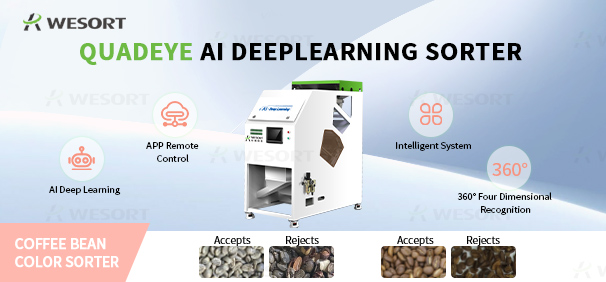
Контроль качества кофе сильно зависит от оборудования, используемого для удаления дефектных зерен, посторонних материалов и несоответствий качества перед обжариванием или экспортом. Для переработчиков кофе, обжаривателей и экспортеров, Оптические ...
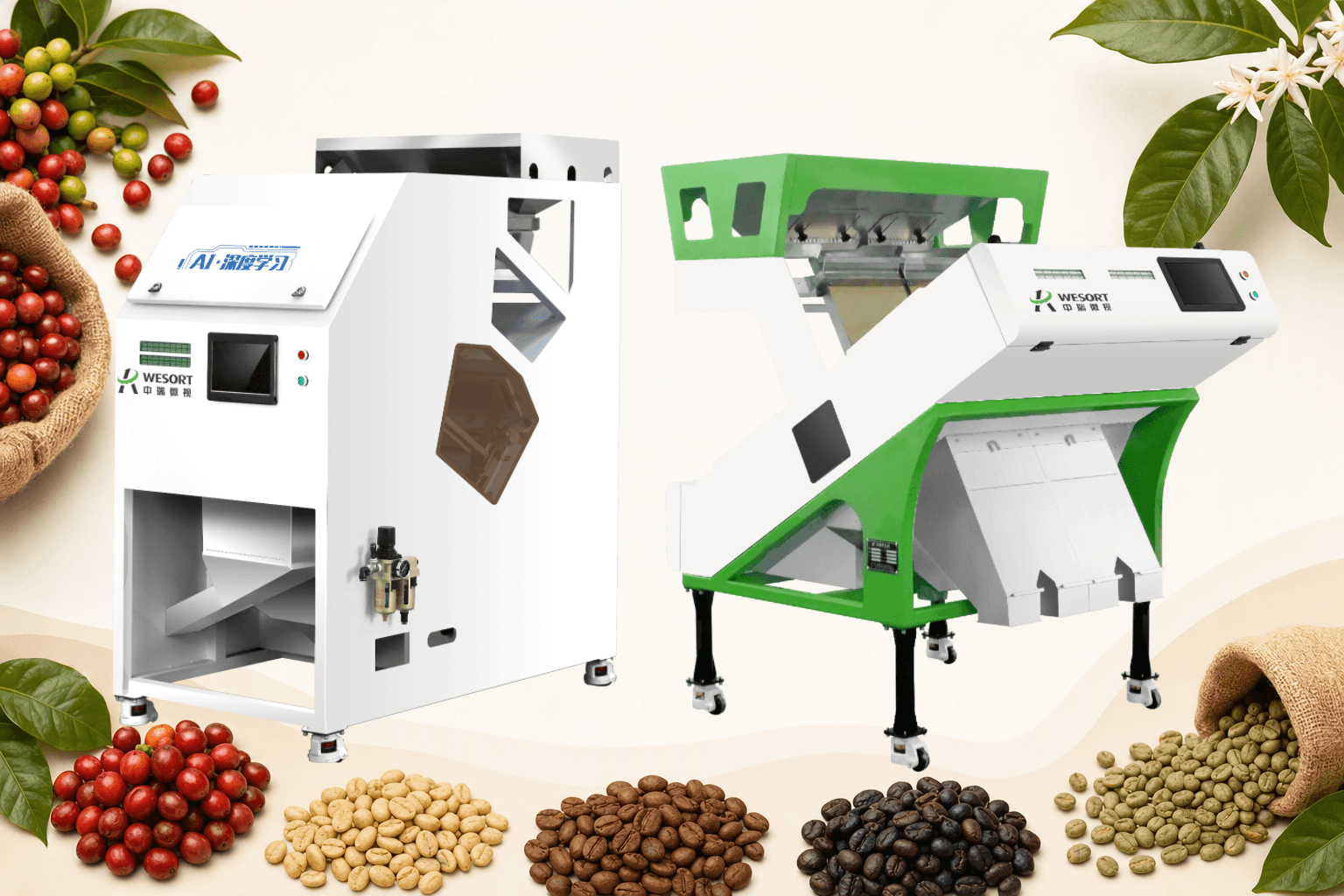
Переработчики кофе по всему миру находятся под растущим давлением, чтобы обеспечить постоянное качество, контролируя при этом затраты и соблюдая строгие экспортные стандарты. Ручная сортировка - долгое время являвшаяся методом по умолчанию для удал...

Обновите свое сортировочное решение с исключительными преимуществами В 2026. WESORT продолжает двигаться вперед с инновациями, качеством и приверженностью. Мы искренне ценим доверие и поддержку со стороны клиентов по всему миру. Чтобы отблагода...
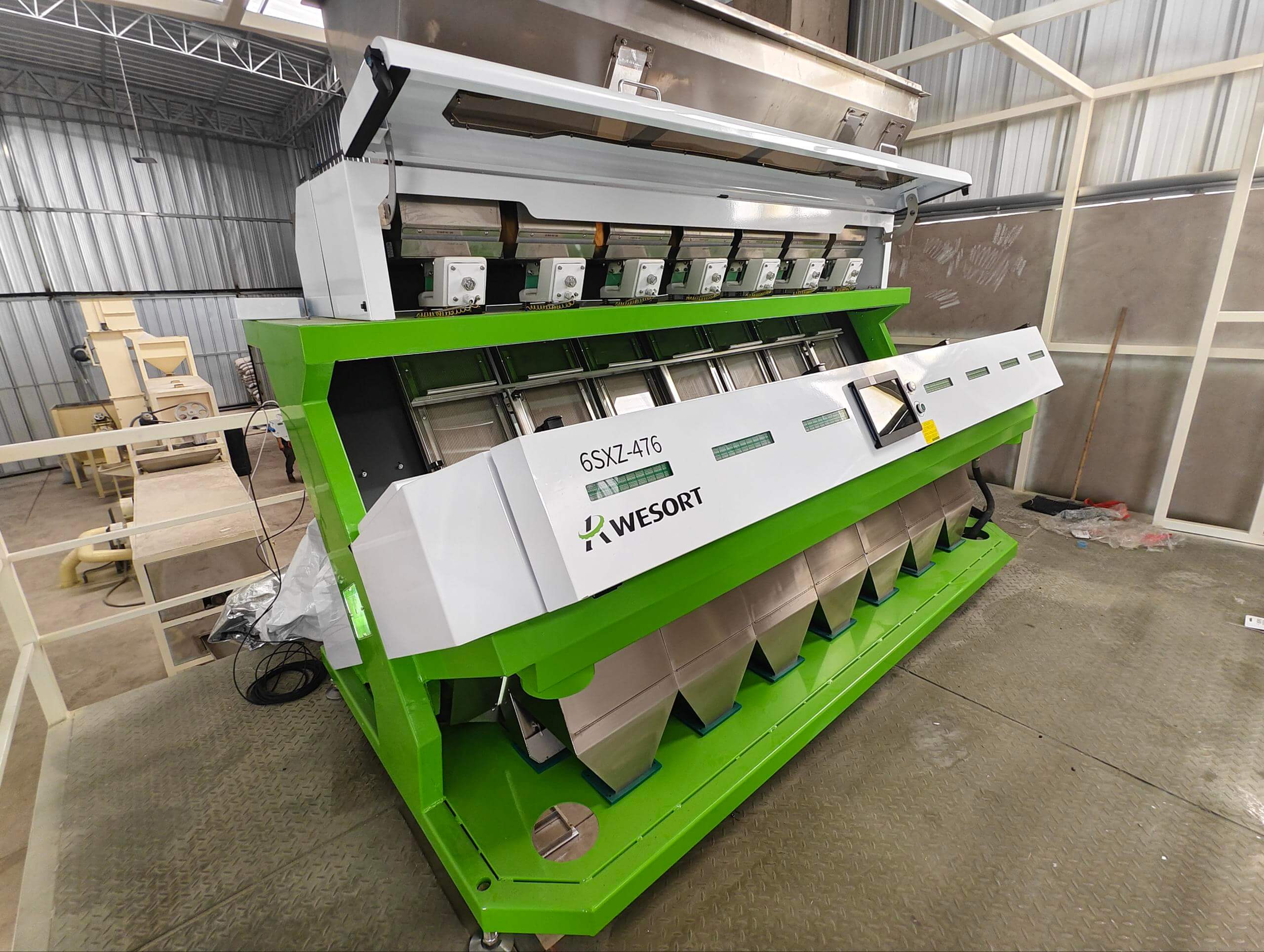
Лучший результат сортировки бобов начинается не с установки машины. Он начинается с четкого описания бобов, которые вы хотите упаковать, дефектов, которые отвергает ваш покупатель, и количества хорошего продукта, которое вы готовы потерять. Коротки...

Когда обработка орехов вступает в самые загруженные недели, непоследовательное сырье, видимые дефекты и посторонние материалы могут быстро стать производственными проблемами. Для обработки процессоров фундук, фисташки, миндаль, орехи пекан, бразильс...
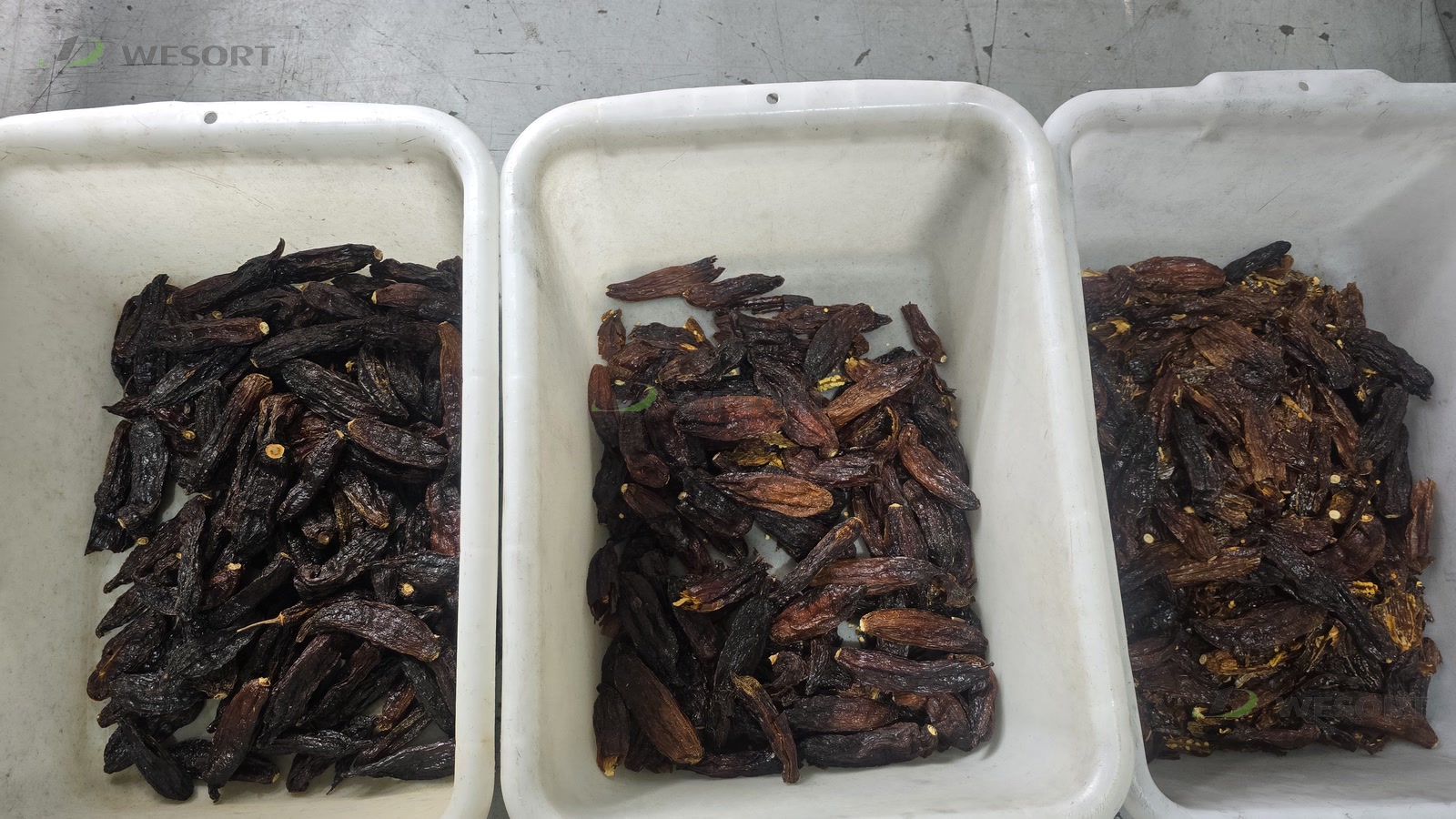
Смешанная партия сушеного чили редко имеет только одну проблему. Темные стручки стоят рядом с красно-коричневыми стручками, весь продукт смешивается с осколками, а стебли или волокнистый материал остаются в потоке. WESORT помогает процессорам превр...
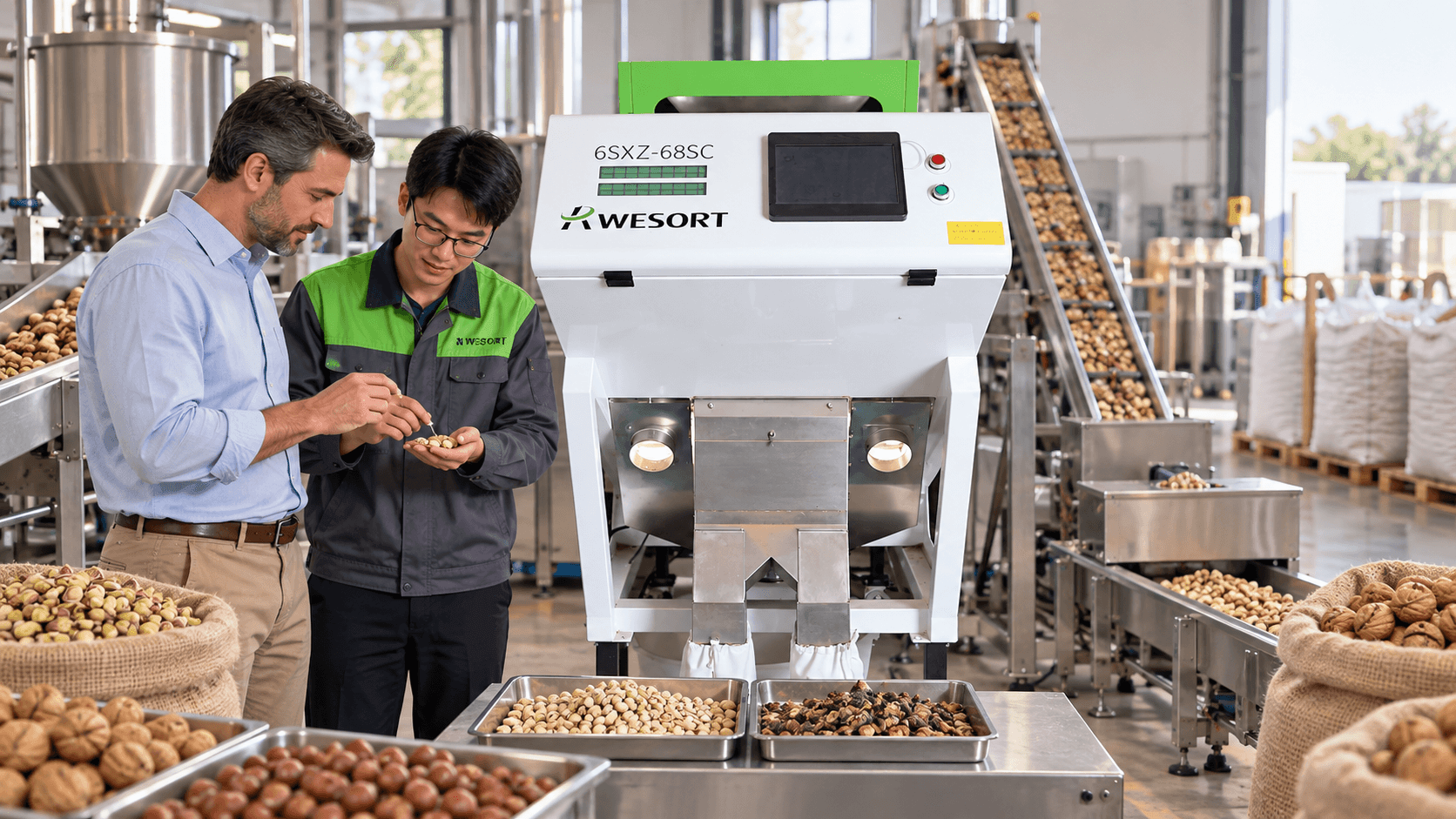
Надежный производитель сортировщика цветов орехов должен быть в состоянии доказать три вещи, прежде чем просить вас о покупке: что ваш фактический материал можно разделить, что предлагаемая машина соответствует вашей производственной линии и что те...
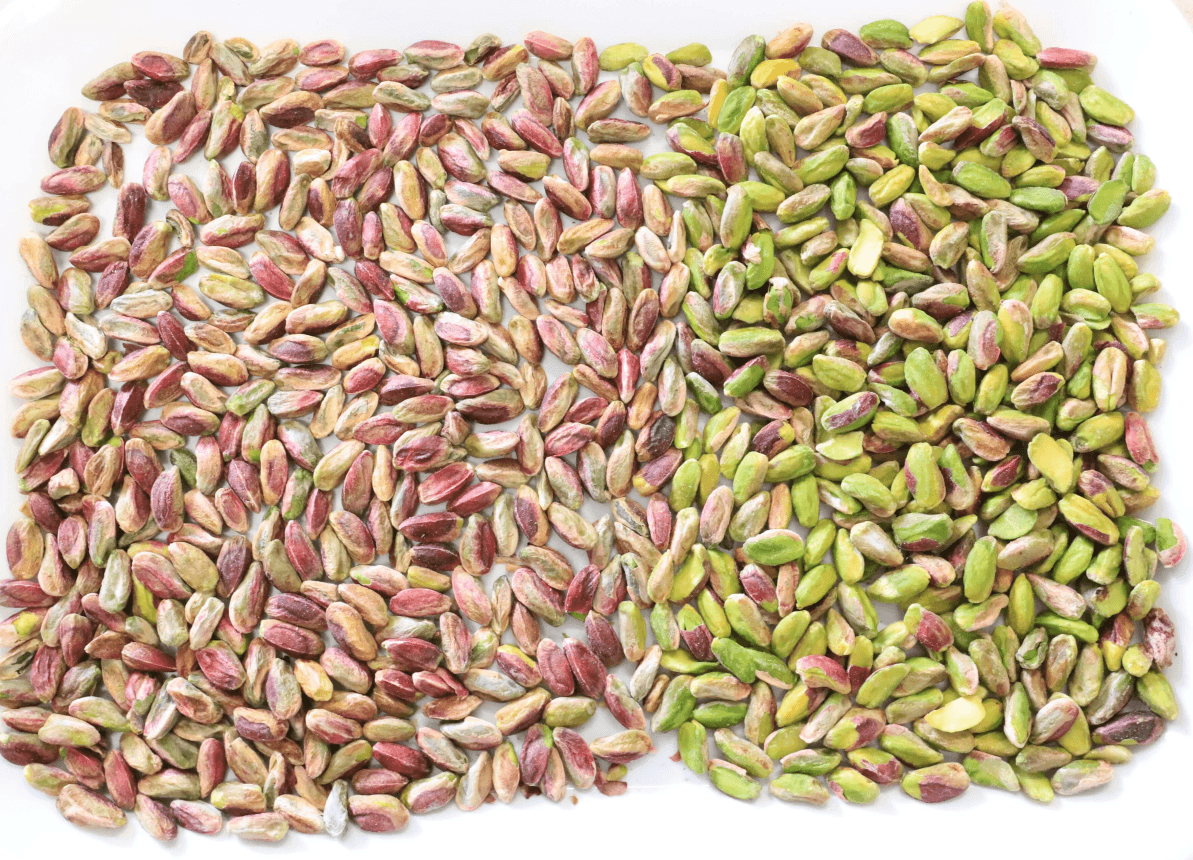
А фисташковый сортировщик должен быть настроен для поступающего в него материала, а не только для слова "фисташка". Линии внутри оболочки может потребоваться разделение открытых и закрытых оболочек. Линии ядра могут потребоваться сорта цвета и удале...
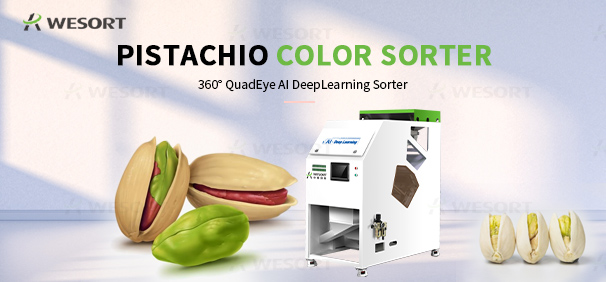
Выбираем правильно фисташковая сортировочная машина в Турции это не просто вопрос сравнения ширины машины, количества лотков или заявленной емкости. Для фисташковых процессоров более важный вопрос: Что именно нужно отделять машине? Фисташки с отк...

Выбираем Машина для сортировки кофе в Колумбии не следует начинать с количества лотков или общей емкости. Он должен начинаться с пяти фактов о кофе, поступающем в вашу линию, и продукте, который вам нужно доставить. Без них две машины, которые выг...
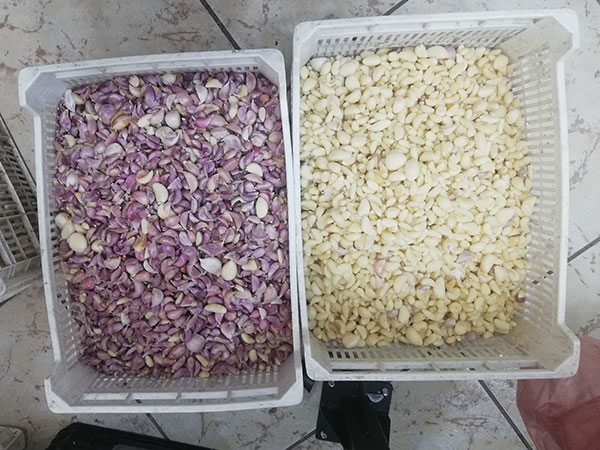
А машина для сортировки чеснока может отделять зубчики, которые заметно отличаются от принятого продукта по цвету, покрытию кожи, форме, размеру или состоянию поверхности. Типичные цели включают зубчики с прикрепленной фиолетовой кожей, неполное шел...

Не берите с собой только визитную карточку. Принесите кофе, который ваша команда изо всех сил пытается рассортировать. С 15 по 18 октября WESORT будет в Колумбийская выставка кофе 2026 в Боготе. На стенде 2466 посетители могут увидеть, как оптическ...
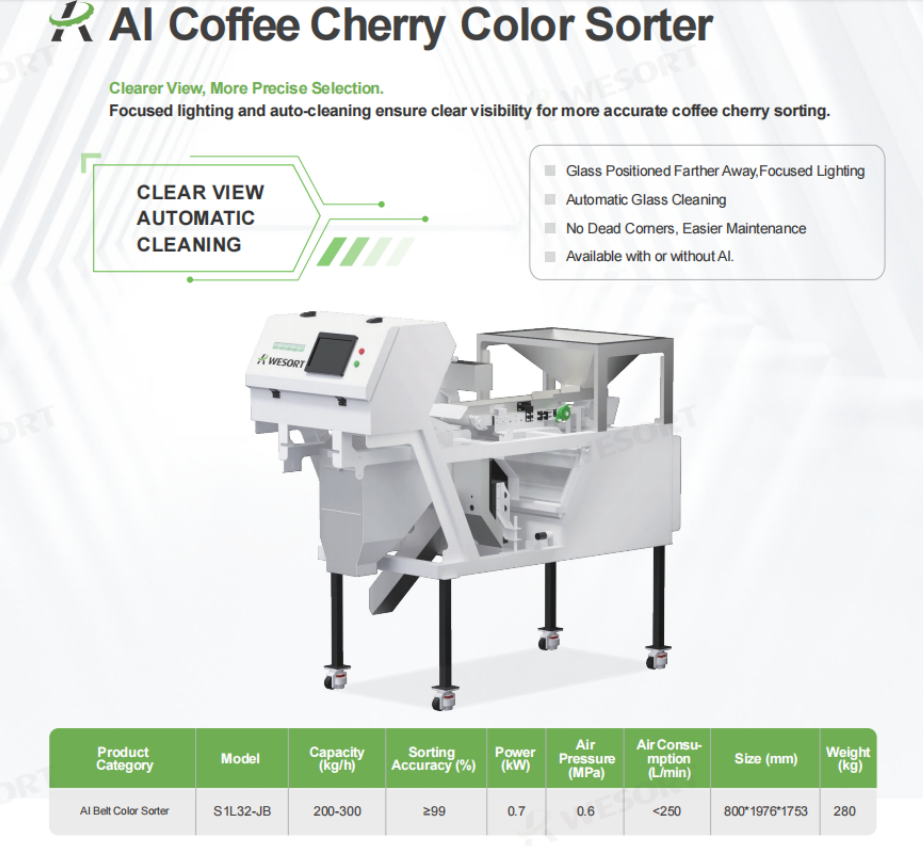
Отраслевая предыстория и введение проблемы Обработка кофе сочетает в себе естественные вариации сельскохозяйственного материала с более конкретными требованиями к покупателю и качеству. Свежие кофейные вишни, пергаментный кофе, зеленые зерна и жарены...
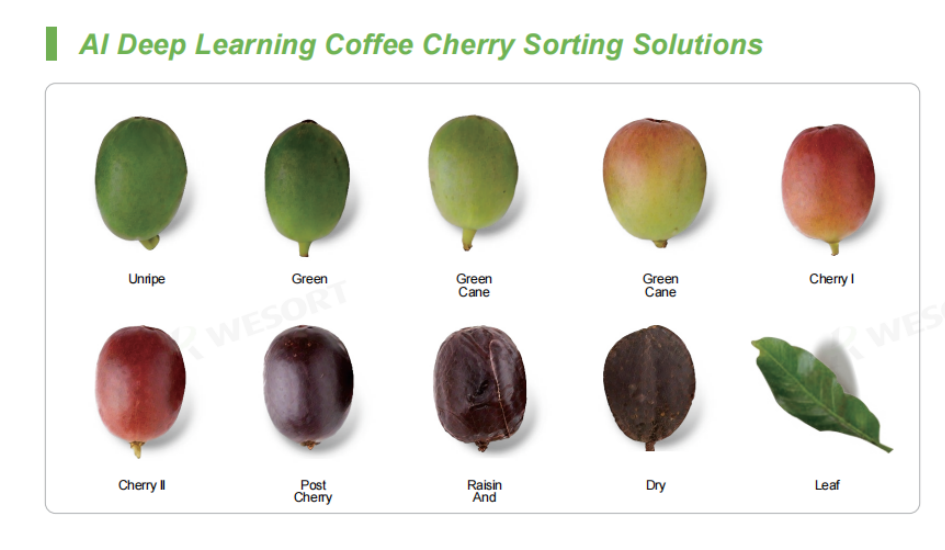
Сортировка свежей кофейной вишни перед варкой или сушкой может помочь процессору разделить явно разные фрукты на более последовательные партии. Правильный подход зависит от вишни, стандарта приемки и места сортировщика на технологической линии, а не ...

Каждая жемчужина, каждый угол. 360 ° ПАНОРАМНЫЙ СОРТИРОВАНИЕ ЖЕМЧУГА Самое сложное в сортировке жемчуга - это не увидеть жемчужину один раз. Он видит достаточно своей поверхности, чтобы принять последовательное решение. Темное пятно может сидеть на с...
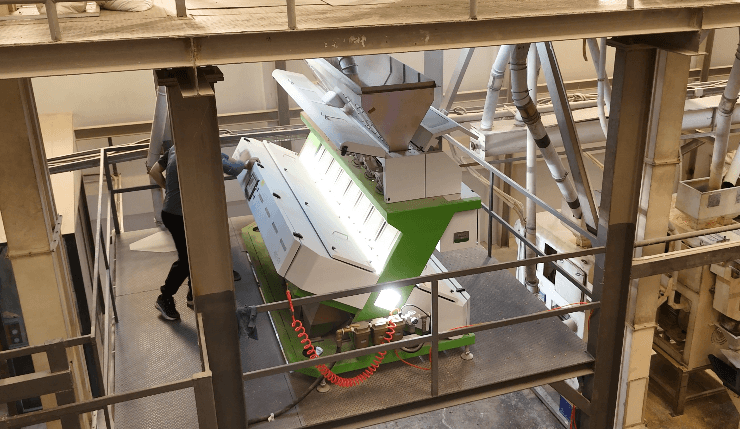
Практичный способ выбрать Машина для сортировки кукурузы заключается в сравнении вашего завода с переработчиками кукурузы, которые уже решили аналогичные проблемы. WESORT предоставила решения по сортировке кукурузы для различных производственных ма...
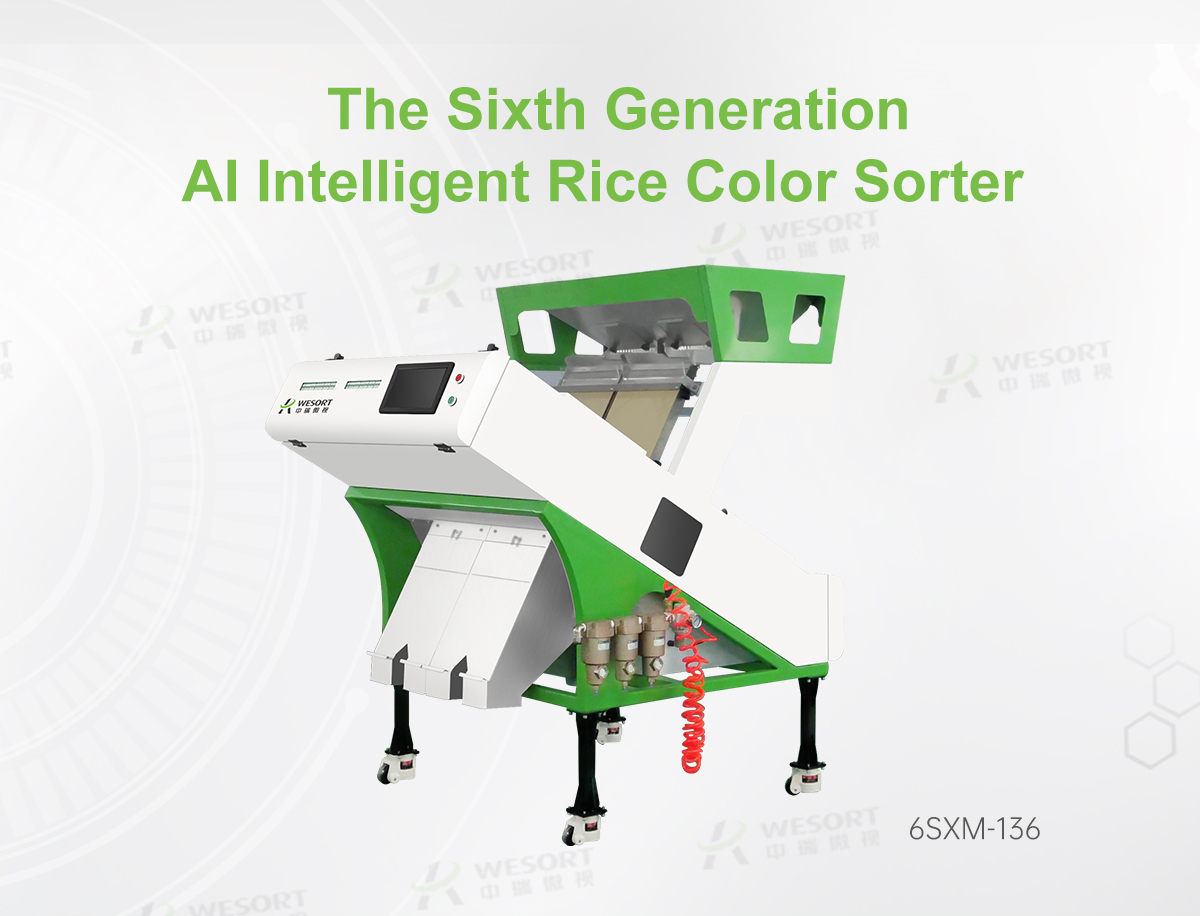
Ан оптический сортировщик риса улучшает чистоту, превращая видимые различия в контролируемые решения о разделении. Стабильная подача представляет собой рис, освещение и камеры фиксируют видимые характеристики, программное обеспечение оценивает цвет ...
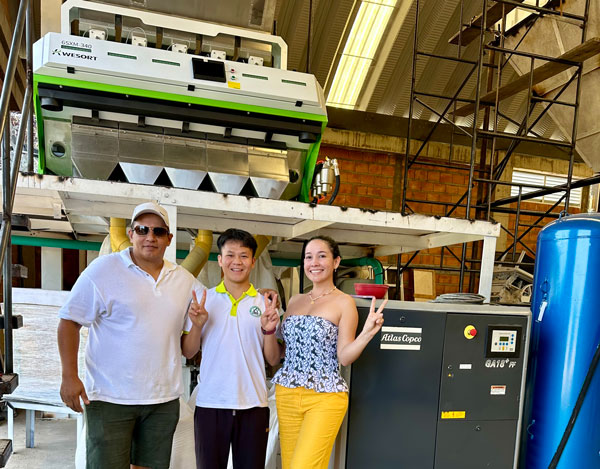
Выберите машину для сортировки риса, сопоставив сорт риса, целевые дефекты, необходимую пропускную способность, стандарт готового продукта, приемлемую потерю хорошего риса и коммунальные услуги на участке. Сравнивайте машины только после тестирования...
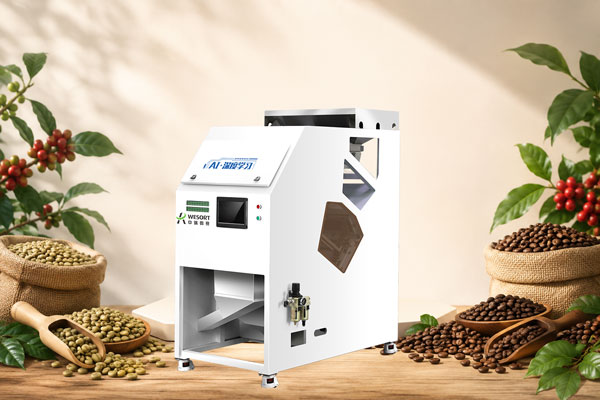
Переработчики кофе сталкиваются с постоянной проблемой, когда дело доходит до поддержания стабильного качества зеленых и жареных кофейных зерен. Квакеры, обгоревшие зерна, зерна аномального цвета, сломанные зерна и посторонние материалы могут повлият...
В Мексике сильная индустрия переработки кофе, при этом производители и переработчики кофе сталкиваются со все более высокими требованиями к качеству, консистенции и эффективности производства. От кофейных вишен и зеленых кофейных зерен до жареного ко...
Контроль качества кофе сильно зависит от оборудования, используемого для удаления дефектных зерен, посторонних материалов и несоответствий качества перед обжариванием или экспортом. Для переработчиков кофе, обжаривателей и экспортеров, Оптические ...
Переработчики кофе по всему миру находятся под растущим давлением, чтобы обеспечить постоянное качество, контролируя при этом затраты и соблюдая строгие экспортные стандарты. Ручная сортировка - долгое время являвшаяся методом по умолчанию для удал...
Обновите свое сортировочное решение с исключительными преимуществами В 2026. WESORT продолжает двигаться вперед с инновациями, качеством и приверженностью. Мы искренне ценим доверие и поддержку со стороны клиентов по всему миру. Чтобы отблагода...
Лучший результат сортировки бобов начинается не с установки машины. Он начинается с четкого описания бобов, которые вы хотите упаковать, дефектов, которые отвергает ваш покупатель, и количества хорошего продукта, которое вы готовы потерять. Коротки...
Когда обработка орехов вступает в самые загруженные недели, непоследовательное сырье, видимые дефекты и посторонние материалы могут быстро стать производственными проблемами. Для обработки процессоров фундук, фисташки, миндаль, орехи пекан, бразильс...
Смешанная партия сушеного чили редко имеет только одну проблему. Темные стручки стоят рядом с красно-коричневыми стручками, весь продукт смешивается с осколками, а стебли или волокнистый материал остаются в потоке. WESORT помогает процессорам превр...
Надежный производитель сортировщика цветов орехов должен быть в состоянии доказать три вещи, прежде чем просить вас о покупке: что ваш фактический материал можно разделить, что предлагаемая машина соответствует вашей производственной линии и что те...